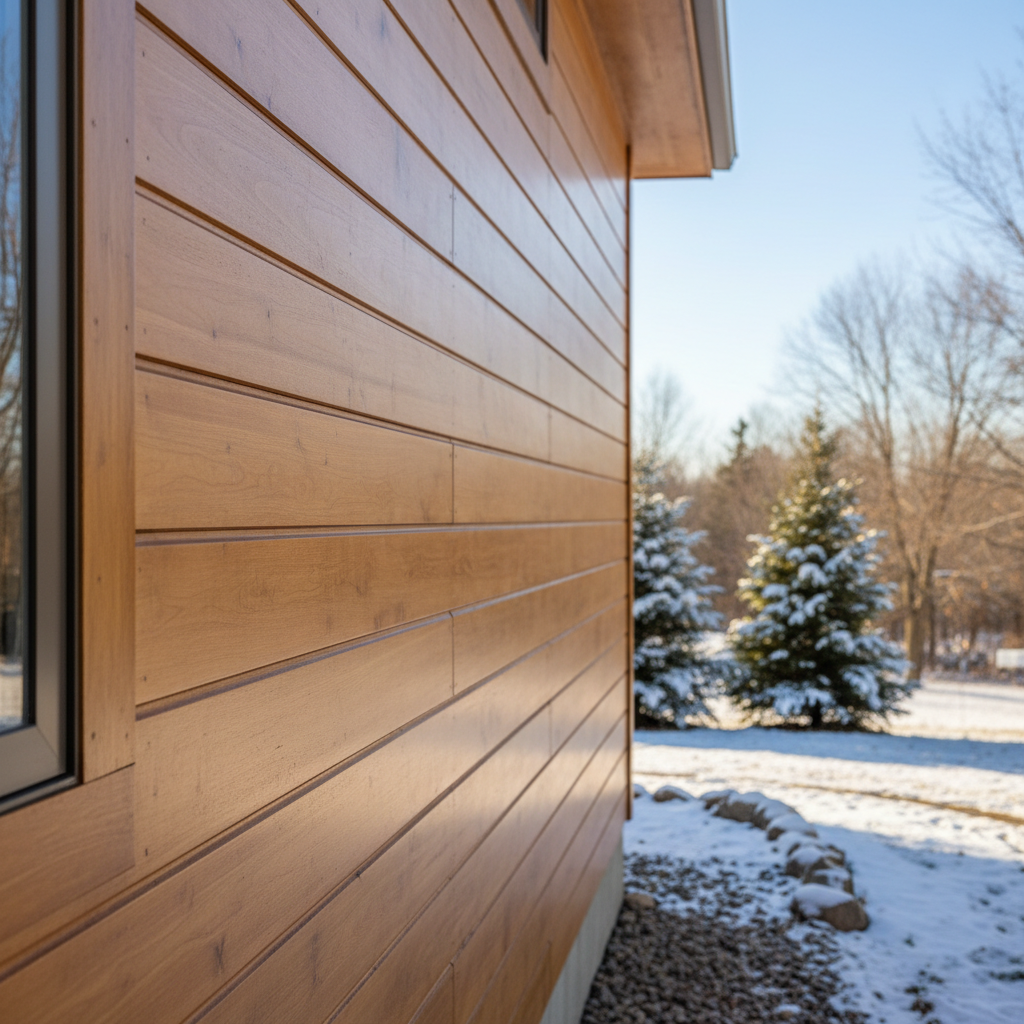
Is wooden siding a good choice for Superior, WI homes?
Oh, absolutely it can be. Wood siding has this classic look that many folks here really love, especially in our older neighborhoods or right up by Lake Superior, where you see so many traditional homes. It's a natural insulator, which, let's be honest, helps a bit with those long, cold winters we get. The main thing is, it needs more looking after than, say, vinyl or fiber cement. But if you're up for doing the work yourself, or you're happy to hire someone, wood siding can genuinely last a really long time and look fantastic. If you're hoping for a "put it up and forget about it" kind of solution, though, wood might not be your first choice.
How often do I need to paint or stain my wooden siding?
This is probably the question I hear most often. For paint, you're generally looking at every 5 to 10 years. Stains, especially those semi-transparent ones, might need a touch-up every 3 to 7 years. It really comes down to a few things: the quality of the paint or stain you used last time, how well the surface was prepped, and how much direct sun or harsh weather your siding takes. Walls facing south usually get the worst of it and might need attention sooner. Here in Superior, with our freeze-thaw cycles and those sometimes brutal winds off the lake, I'd probably lean towards checking it more often—maybe every 3-5 years for stain and 5-7 for paint, just to play it safe. You'll know it's time when you start seeing cracking, peeling, or the color really fading out.
What's the best way to clean wooden siding?
For regular cleaning, a soft brush and some mild detergent mixed with water usually do the trick. You're just trying to get rid of everyday dirt, mildew, and algae. For tougher spots, you *can* use a pressure washer, but you've got to be super careful. Too much pressure, and you'll gouge the wood, force water right behind the siding, or even strip the paint clean off. I always tell people to keep the pressure low (under 1500 PSI) and hold the wand at least a foot away, spraying downwards. If you're not comfortable with it, it's definitely worth hiring a pro. You certainly don't want to cause more damage than you're trying to clean up, right?
What are the signs of rot or insect damage in wooden siding?
Keep your eyes peeled for soft spots. If you can easily push a screwdriver into the wood, that's a big red flag for rot. Discoloration, especially dark or black patches, can also point to moisture problems. When it comes to insects, you might spot small holes, sawdust-like material (we call it frass) near the bottom of the siding, or even tunnels in the wood itself. Carpenter ants and termites are usually the culprits. Sometimes, the wood just looks "punky" or spongy. Don't ignore these signs; a small patch of rot can spread quickly, especially with all the moisture we get from snowmelt and rain around here. Catching it early can save you a lot of headache and money.
Can I repair a small section of damaged wooden siding, or do I need to replace the whole wall?
Oh, for sure, you can often repair small sections. If it's just a few boards that are rotted or damaged, we can usually cut out the bad part and splice in new wood. Matching the existing siding can be a bit tricky, especially if it's an older, custom profile, but it's often totally doable. The main thing is making sure the repair is done right, with proper flashing and sealing, so you don't end up with water getting behind the new piece. If the damage is really widespread, or if the sheathing underneath is compromised, then a bigger replacement might be necessary. But for isolated issues, a targeted repair is usually the most cost-effective solution.
What types of wood siding are best for our climate?
Cedar and redwood are generally considered top-tier for our climate because they naturally resist rot and insects. They've got these natural oils in them that really help with that. Pine and spruce are more common and usually more affordable, but they need to be treated and maintained meticulously to stand up to Superior's weather. If you're going with pine, make sure it's properly primed and then painted or stained with a high-quality product. No matter the wood type, proper installation—including a good vapor barrier and flashing—is absolutely crucial. We've seen plenty of homes, even with the best cedar, run into issues because the installation wasn't up to snuff. That's where a company like Absolute Siding Co. comes in – we really know what works for this area.
How does wooden siding handle our harsh winters and humid summers?
It's a tough environment for any siding, and wood is certainly no exception. Our big temperature swings, from deep freezes to humid summers, cause wood to expand and contract. This movement can lead to paint cracking or peeling if the surface isn't prepped just right or if the paint isn't flexible enough. The constant moisture from snow, ice, and summer humidity can also speed up rot if the wood isn't sealed properly or if there are spots where water can just sit. Good ventilation behind the siding is critical; it lets the wood breathe and dry out. We also see a lot of problems when gutters aren't maintained, letting water run directly onto the siding—that's a recipe for disaster. It's really all about consistent maintenance and making sure your home's exterior is working as a system to shed water.
What's the typical lifespan of wooden siding?
With proper care and maintenance, wooden siding can last 20 to 40 years, sometimes even longer. I've actually seen homes in the East End with original wood siding that's pushing 60-70 years old, still looking good because someone's been diligent about painting and repairs. Without that regular upkeep, though, you might only get 10-15 years before you start seeing significant issues like widespread rot or delamination. It really boils down to how much you're willing to invest in its care. Think of it like a classic car—it needs more attention than a new one, but the payoff in looks and character is often worth it for folks who appreciate that kind of thing.